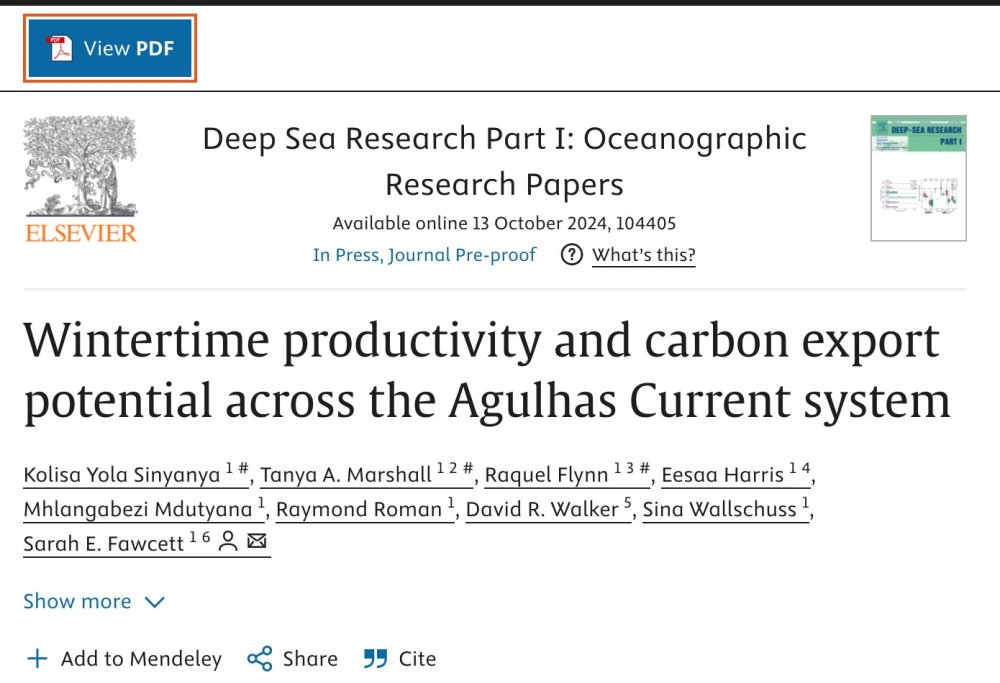
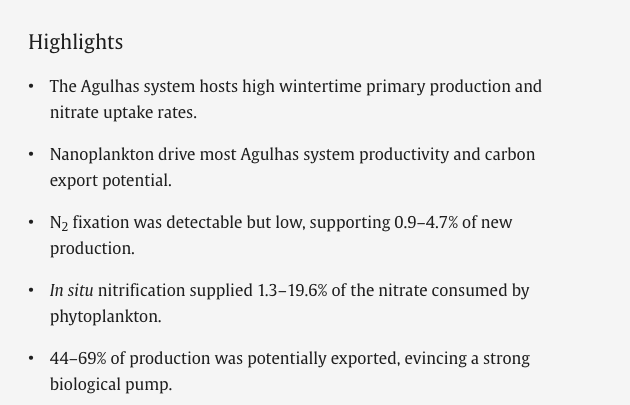
My groundbreaking PhD research, Wintertime Productivity and Carbon Export Potential Across the Agulhas Current System opens new doors in climate science and oceanography. By focusing on the Agulhas Current, one of the world’s most dynamic ocean systems, my work provides critical insights into how the Indian Ocean influences the global carbon cycle. What makes this research particularly exciting is the discovery of a very strong biological pump in the Agulhas Current during winter, with carbon export largely driven by small eukaryotic phytoplankton, a vital finding in our understanding of how the ocean functions in a warming planet leading to climate change.
The Role of the Biological Pump in the Climate System
The biological pump is a key process by which phytoplankton take up carbon dioxide (CO₂) from the atmosphere through photosynthesis. As these organisms grow and die, they sink into the deeper ocean, effectively storing carbon for long periods. This process helps regulate atmospheric CO₂ levels, making the ocean one of Earth’s most important carbon sinks.
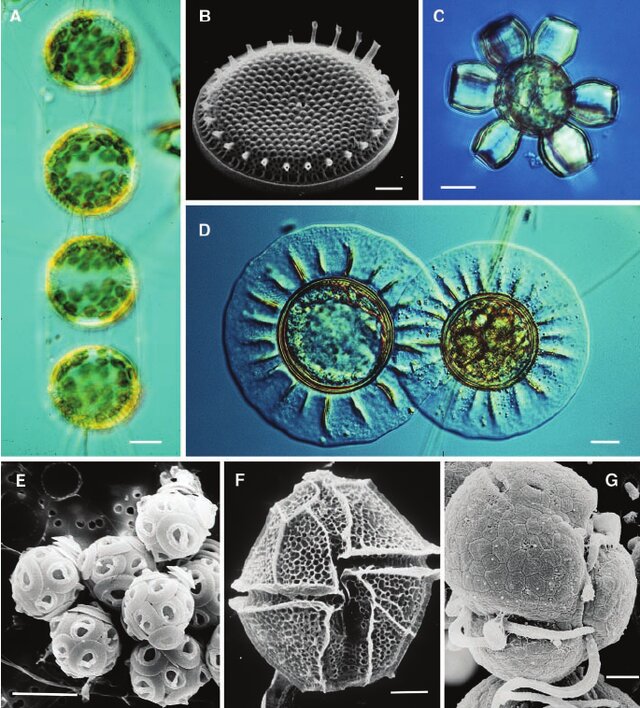
My research revealed that the Agulhas Current has a particularly robust biological pump during winter. These data and measurements, however, are from just one winter, 2018. This discovery underscores the importance of subtropical ocean regions, like the Agulhas, in mitigating global warming. The small eukaryotic phytoplankton (image below supplied by Antonietta Quigg) responsible for this carbon export may be microscopic, but they have a massive impact, helping to remove large amounts of CO₂ from the atmosphere and store it in the deep ocean.
Implications for Climate Research and Global Communities
The findings of this study have far-reaching implications for global climate research. As climate models aim to predict future climate scenarios, the role of ocean currents in sequestering carbon is crucial. The Agulhas Current, now recognized as a significant carbon sink, must be factored into global carbon budgets. This could improve our understanding of how oceans regulate climate and offer new strategies for addressing the climate crisis.
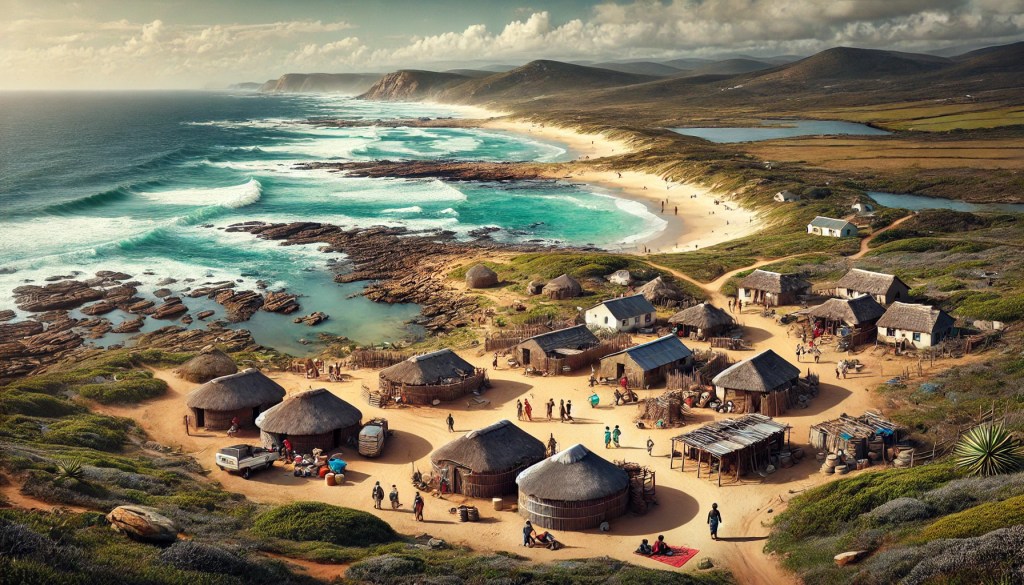
This research offers hope for communities worldwide, especially those living in coastal regions. The ocean plays a critical role in buffering the impacts of climate change. Moreover, understanding how different ocean regions function as carbon sinks is essential to predicting and mitigating future climate impacts. My research also reinforces the urgent need to protect marine ecosystems, which are key players in the global effort to reduce atmospheric CO₂ levels.
A Breakthrough in Representation: A Black Woman Leading Oceanography Research
One of the most inspiring aspects of this work is my position as a black South African woman to obtain a PhD in observational ocean biogeochemistry and publish the work in a high-impact journal within my field. Oceanography has historically been dominated by individuals from a narrow racial demographic, with very few black people and people of colour, especially black women. Therefore, my work is not only breaking barriers but also reshaping the face of scientific research.
It is a beacon of representation, showing that excellence in science is not defined by race or gender. It also highlights the importance of diversity in research—new perspectives often lead to innovative discoveries, and diverse voices bring fresh insights to the global scientific community. My work is a reminder of the power of representation in driving meaningful, world-changing research. I have recently been honoured with awards for this work even before it was accepted for publication. This exhibits international recognition for my contributions to STEM and pioneering research and innovation.
Many thanks to my co authors. None of this would have been a successful without your exceptional contributions.
 Dr Kolisa Yola Sinyanya