
The journey of an early-career researcher is often filled with triumphs and challenges. One such experience brought significant recognition and valuable lessons but left me grappling with questions about equity in academic systems. This reflects on that journey and the systemic issues it highlighted, which are relevant to many early-career scientists.
A Prestigious Honor and a Moment of Pride
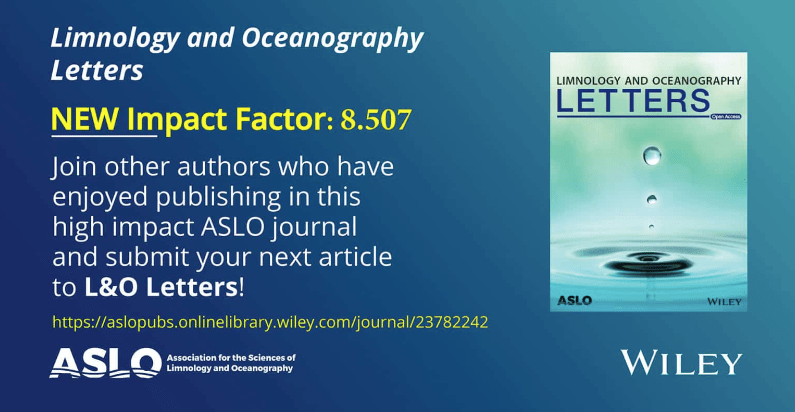
I was deeply honoured to receive the $3000 ASLO Limnology & Oceanography Letters (L&O Letters) Publication Award a few years ago. This recognition was for my research on the Agulhas Current, a pivotal topic in oceanography. It was a validating moment, acknowledging the hard work and dedication that had gone into my study.
The award also included an incredible opportunity to work with the Raelyn-Cole Fellows, who provided invaluable mentorship during the review process. Their insights and guidance elevated my research and prepared me for the intricacies of academic publishing.
Facing Unexpected Challenges
Despite the initial excitement, I encountered a significant obstacle. My supervisor requested that I forgo the award, citing the need to prioritize another paper in which I’m not the first author for a different high-impact journal. I was asked to communicate this decision to the Raelyn-Cole Fellows, effectively rescinding the award and returning the funds.
While I complied, the decision left me questioning the balance of power in academic mentorship and whether early-career researchers have the autonomy they deserve in such critical moments.
A Difficult Lesson in Authorship Practices
I then completed a study on wintertime productivity in the Agulhas Current. When the paper was ready for submission, the same supervisor sent it on my behalf, listing themselves as the corresponding author. The experience left me reflecting on how authorship practices can sometimes marginalize early-career researchers, diminishing their contributions to their own work. My right to share my PhD work, communicate openly with the public, collaborate with fellow researchers, and engage with anyone curious about my journey was stripped away, leaving me silenced and disempowered.
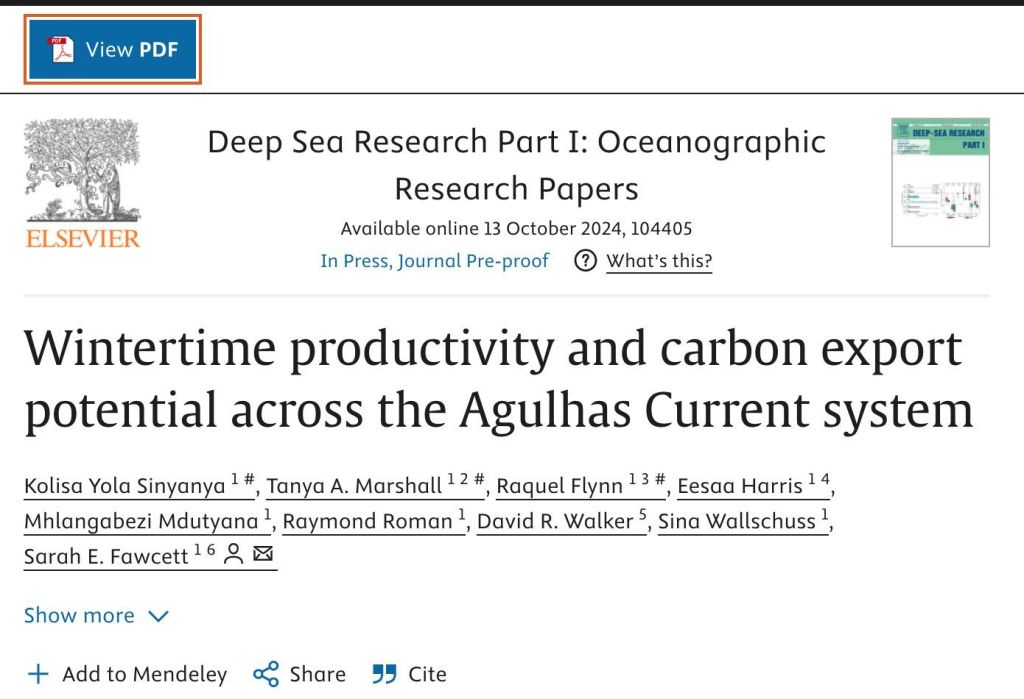
To make matters worse, I’m constantly confronted with questions about why I’m not the corresponding author on my own paper, a subtle yet stinging implication that I’m incapable of addressing questions about my own PhD work. It’s not just unfair; it’s deeply disheartening. After years of sacrifice, working hard, missing family moments, and striving to excel as a Black woman from a disadvantaged background in oceanography, watching my efforts assigned to someone else feels like the ultimate betrayal.
Reflections on Systemic Issues
These experiences raised questions about systemic academic challenges, particularly the power dynamics between supervisors and mentees. While mentorship is essential to academic growth, there is a fine line between guiding students and overshadowing their contributions. The issue of equitable authorship, especially for women and underrepresented groups in STEM, is well-documented and deserves continued attention.
Turning Challenges Into Advocacy
Although these moments were challenging, they sparked my desire to advocate for change. Today, I work to mentor young scientists, fostering environments where their voices are heard and their contributions are recognized. My experiences have taught me the importance of equity in academic publishing and the need to create a culture that uplifts early-career researchers.
By sharing this story, I aim to contribute to an ongoing dialogue about the need for fairness, transparency, and academic mentorship reform. Through collective effort, we can build systems that empower every researcher to reach their full potential.
Final Thoughts
Every researcher deserves the opportunity to take ownership of their work and receive recognition for their contributions. I hope that by discussing these challenges, we can work toward a more equitable and supportive academic environment.
 Dr Kolisa Yola Sinyanya