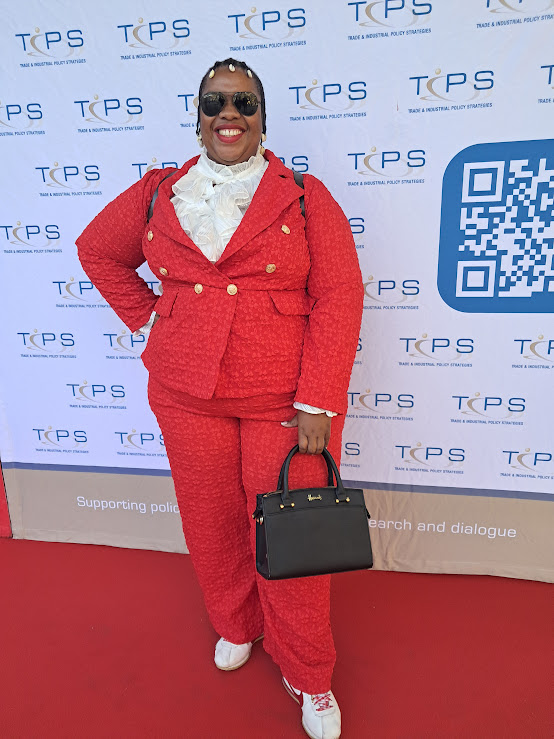
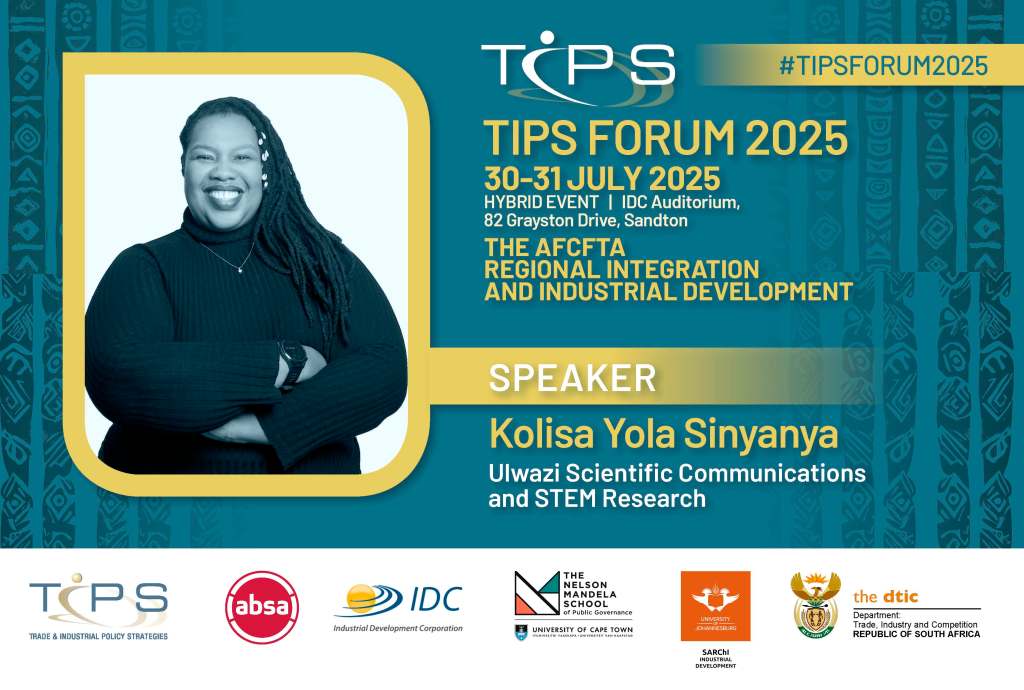
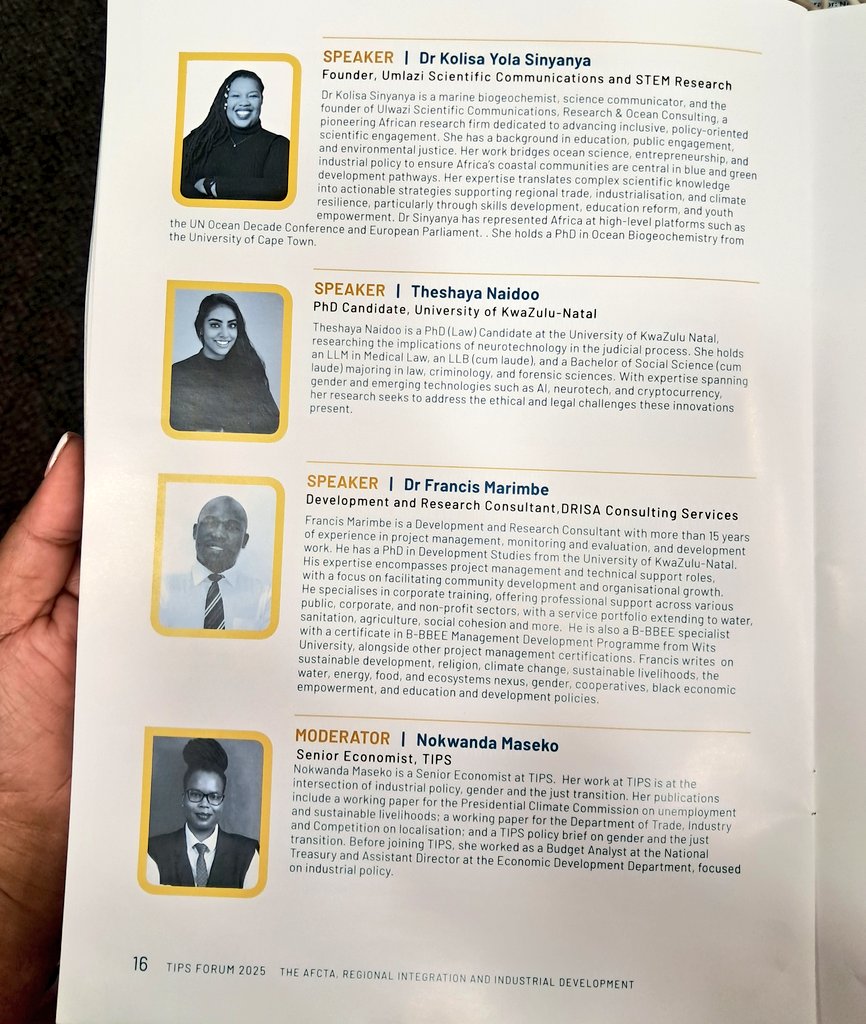
Last week, I boarded a flight with a suitcase full of slides, anticipation, and a dream to spark new conversations. I was headed to the TIPS Annual Forum 2025, where I’d been invited to present my paper:
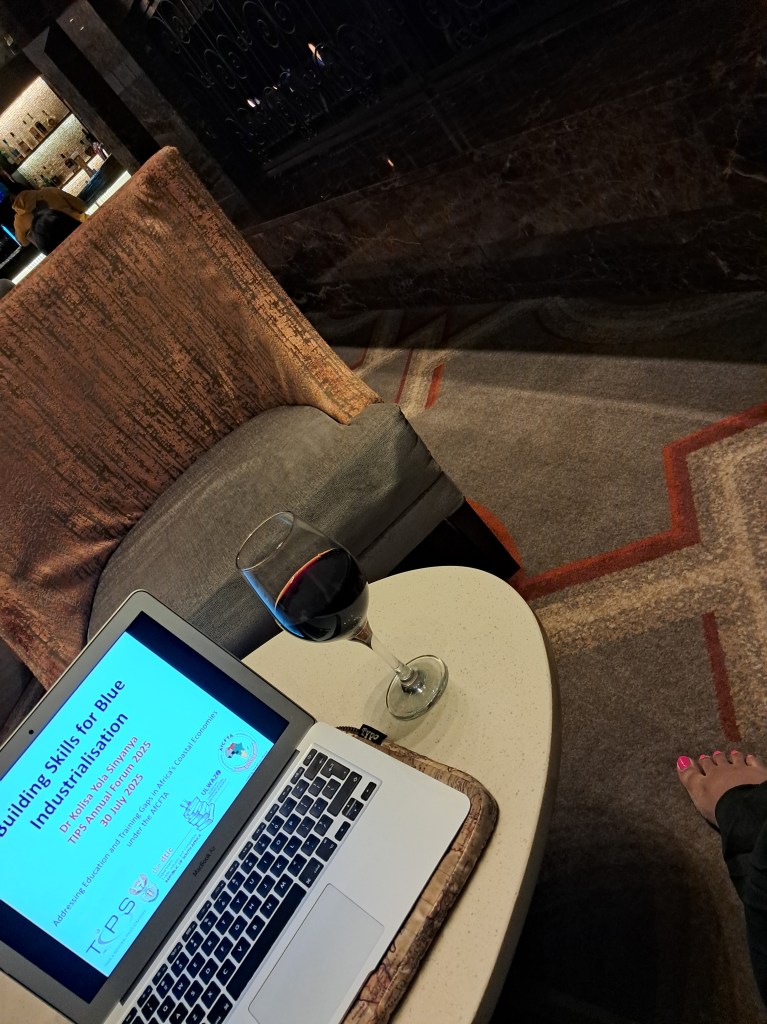
“Building Skills for Blue Industrialisation: Addressing Education and Training Gaps in Africa’s Coastal Economies.”
I knew the topic might be unfamiliar to many, and that was precisely the point. It was also my first time presenting on Blue Industrialisation, not just to a corporate audience, but to any audience at all. That made the experience both exhilarating and deeply meaningful.
The Journey
There’s something about arriving in a new city with a mission that energises you. I prepared for my talk in between travel logistics, quiet hotel moments, and yes, a glass of red wine as I made last-minute tweaks to my slides.


This wasn’t just another presentation. It was a call to centre Africa’s coastal communities in the industrialisation narrative, especially under the transformative promise of the African Continental Free Trade Area (AfCFTA).
The Presentation
First of all, the presentation setting was incredibly intimate. I’m used to standing at a podium, with some physical distance between myself and the audience. This time, there was no barrier, just me, standing directly in front of the participants, a microphone in one hand and a pointer in the other. It felt raw, direct, and surprisingly intimidating!
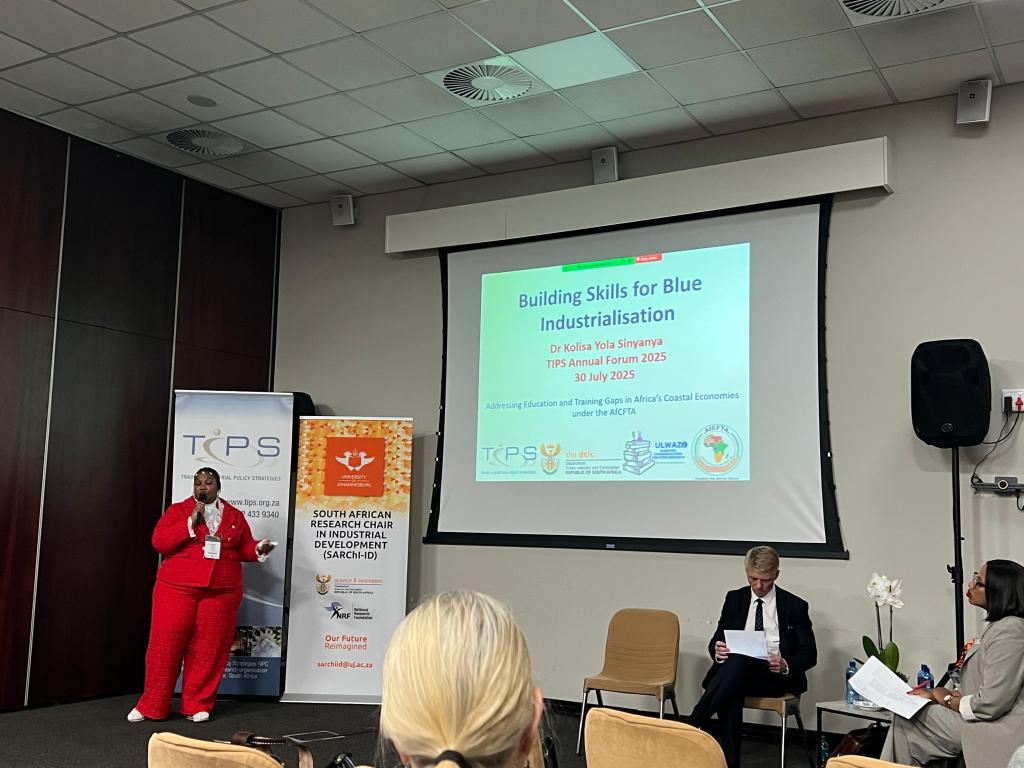
The talk largely unpacked how Africa’s coastal economies, rich in marine resources and cultural heritage, remain on the margins of industrial policy. I shared how Blue Industrialisation can change that by creating inclusive, sustainable pathways through ocean-based industries, like seaweed farming, marine biotech, sustainable fisheries, and blue ecotourism.
But I didn’t stop there.
I challenged the room to think about education, technical skills, gendered access, and the disconnect between science and community. And most importantly, I showed that solutions exist; they just need investment, imagination, and willpower.
The Response
What followed was nothing short of electrifying.
People who had never heard the term Blue Industrialisation were not only curious, they were inspired. Those familiar with ocean governance approached me with resounding affirmation. Policymakers and economists asked how they could support Ulwazi’s work, bridging science and policy to benefit marginalised coastal communities.
For me, that was the real win.
It wasn’t just about presenting research, it was about shifting perspectives, making the ocean visible in spaces where it’s so often forgotten, and building coalitions of people who want to do better, go further, and lead more equitably, together. This is one of my callings in life, and my aim is to continue speaking about it on stages all over the world.
The Bigger Picture
This trip reminded me why I started Ulwazi in the first place.
Africa is filled with brilliance, from our youth to our researchers, from our fishers to our farmers. But brilliance without infrastructure, access, and representation is not enough. We need intentional investment in the blue economy. We need regional skills strategies. We need education systems that speak to the ocean and policies that listen to communities. Most of all, we need to make sure no one is locked out of opportunity.
What’s Next?
We’ll keep pushing. Keep building. Keep telling the stories that matter.
This presentation is just one ripple in a growing tide. If you’re interested in partnering, supporting, or amplifying this work, don’t hesitate to reach out. Whether you’re in government, academia, the private sector, or civil society, we need all hands on deck. And if you’re reading this from a coastal village, a lecture hall, or a parliament building: your role matters in making blue industrialisation a reality.
Let’s rise with the tide!
 Dr Kolisa Yola Sinyanya