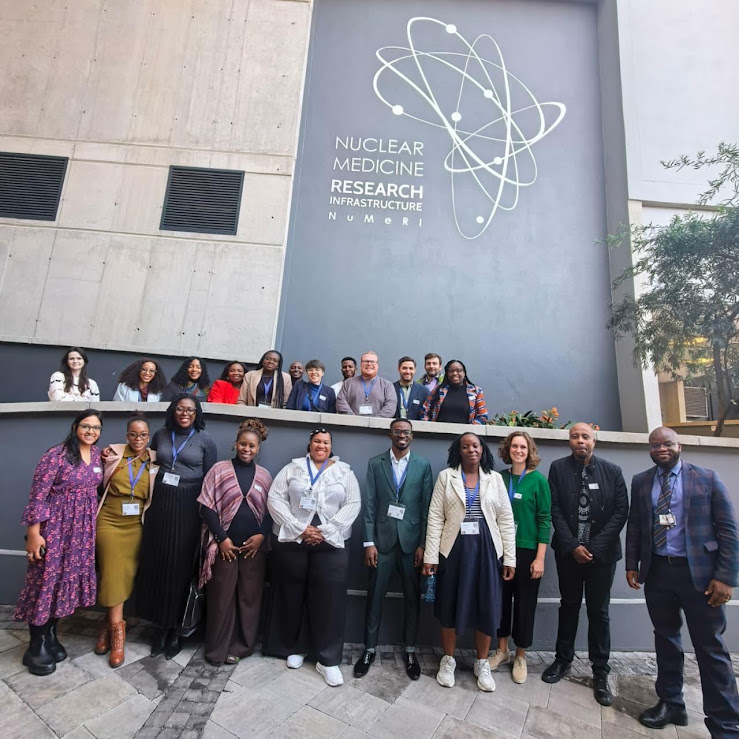
I had the opportunity to participate in the ASSAf–Leopoldina Workshop on Climate Change and Mental Health: Comparative Risk Pathways, Vulnerability, and Resilience, held in Pretoria, South Africa. Jointly hosted by the Academy of Science of South Africa (ASSAf) and the German National Academy of Sciences Leopoldina, the workshop brought together researchers from different disciplines to interrogate an increasingly urgent question: what does climate change mean not only for the environments in which people live, but also for their mental and psychosocial wellbeing?
For me, that question immediately led back to the ocean.
The ocean does not end at the shoreline
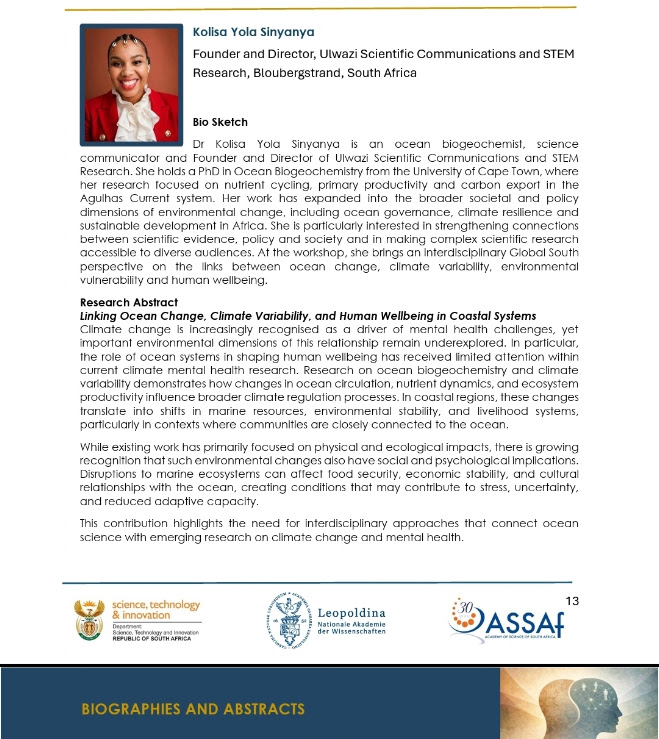
My contribution formed part of Panel 4: “Context and Place Matters: Climate Change, Living Environments and Mental Health.” I presented on the influence of climate-driven changes in marine systems on mental wellbeing in coastal communities. As an ocean biogeochemist, much of my scientific work has focused on understanding processes within marine systems: nutrient cycling, phytoplankton dynamics, ocean productivity, and how environmental and climatic variability influences the ocean. But environmental change does not remain contained within the environment.
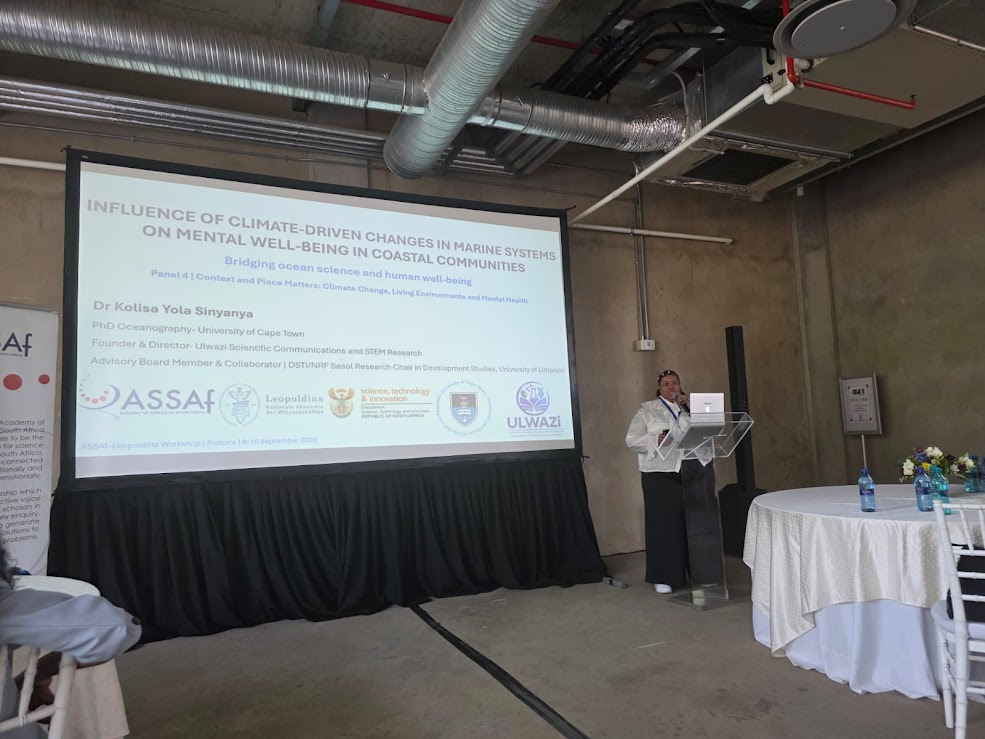
Changes in ocean temperature, circulation, productivity and marine ecosystems can affect fisheries and marine resources. Those changes can, in turn, affect food security, household income, livelihoods, cultural practices and the stability of communities that depend on the ocean. Somewhere along that chain is a dimension that remains insufficiently understood, particularly within African contexts: mental wellbeing. A decline in marine resources is not simply an ecological statistic. For someone whose household, livelihood, identity, or food security is connected to the ocean, environmental change can introduce uncertainty, economic pressure, loss, and anxiety about the future. Changes in the ocean can become changes in people’s lives.
Bringing the ocean into the conversation
My poster, “Influence of Climate Driven Changes in Marine Systems on Mental Wellbeing in Coastal Communities,” was displayed throughout the workshop alongside those of other participants. Its central message was simple: changes in the ocean can become changes in people’s lives. For coastal communities, shifts in marine systems can affect fisheries, food security, livelihoods and, ultimately, wellbeing. I particularly enjoyed seeing participants stop and engage with the poster during the workshop. It was a reminder that ocean science belongs in broader conversations about climate change, communities and human wellbeing.
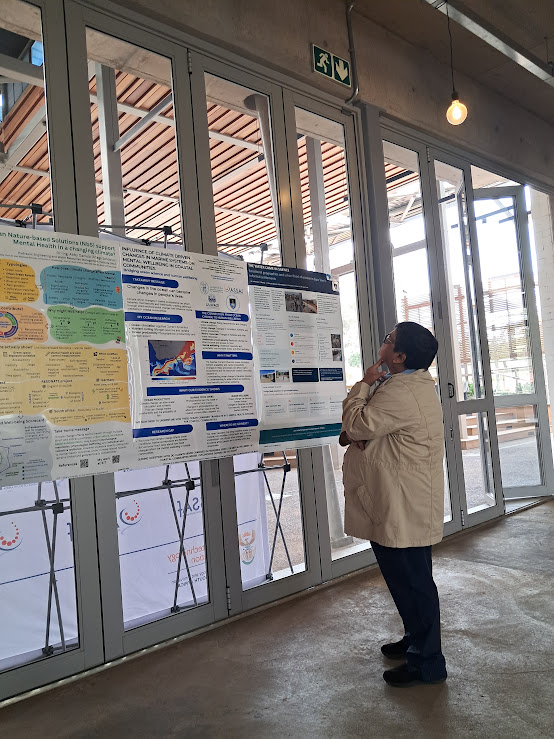
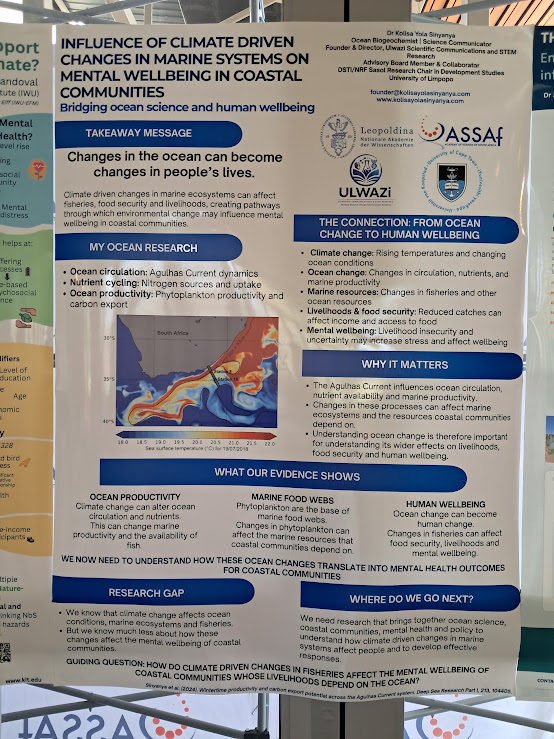
A workshop participant engaging with my poster during the ASSAf–Leopoldina workshop
Learning across disciplines and countries
A major focus of the workshop was working across disciplines and national contexts. In breakout sessions, we compared patterns linking climate change and mental health in South Africa and Germany, identifying shared challenges, important differences and opportunities for the two countries to learn from one another. These discussions brought together perspectives from climate science, health, psychology, environmental research and policy and ultimately fed into the workshop’s main goal: the development of a policy brief on climate change and mental health.
Over the three days, we moved from identifying risks and vulnerabilities to considering resilience, research gaps, and practical policy responses. It was a valuable reminder that complex challenges such as climate change cannot be understood or addressed from within a single discipline.
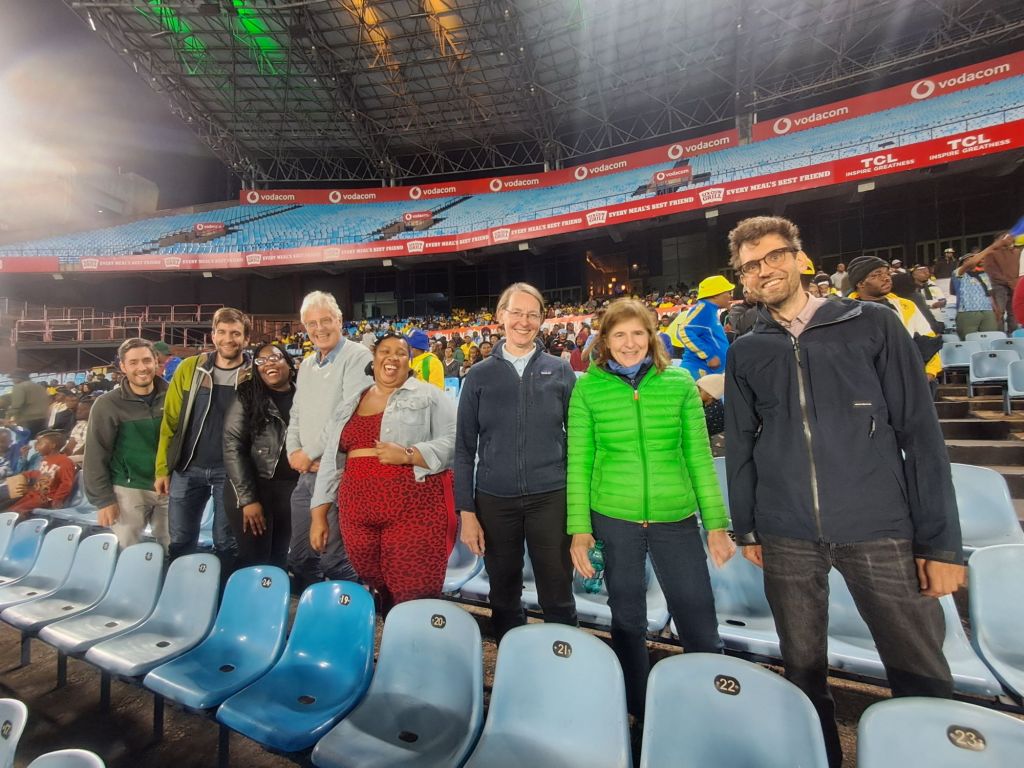
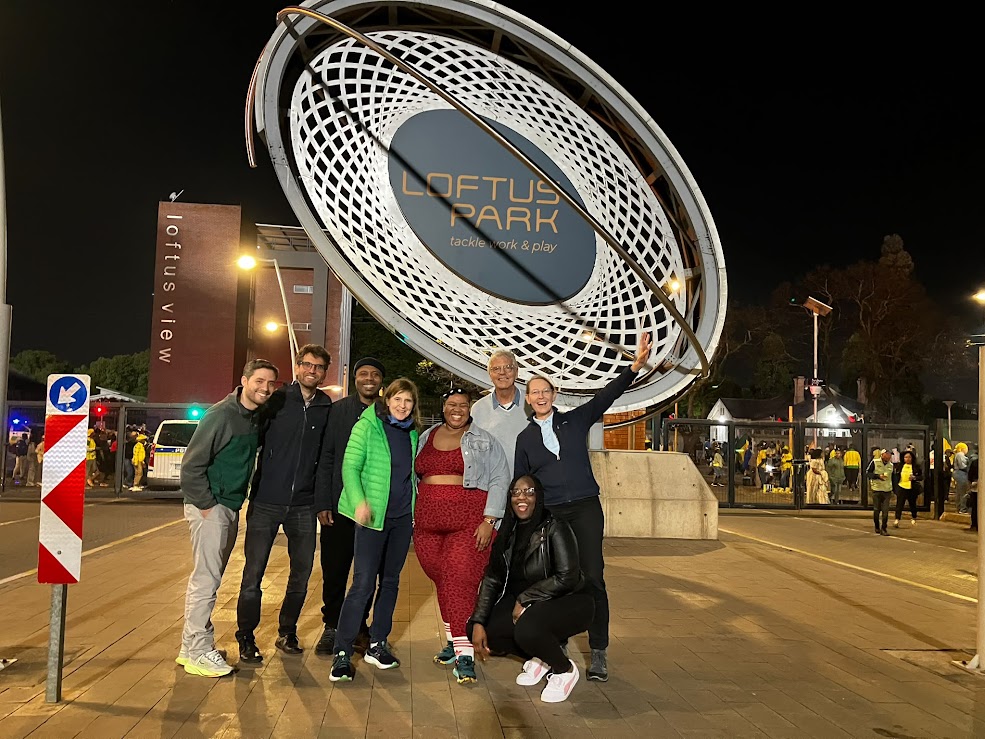
Science, networking and a little football
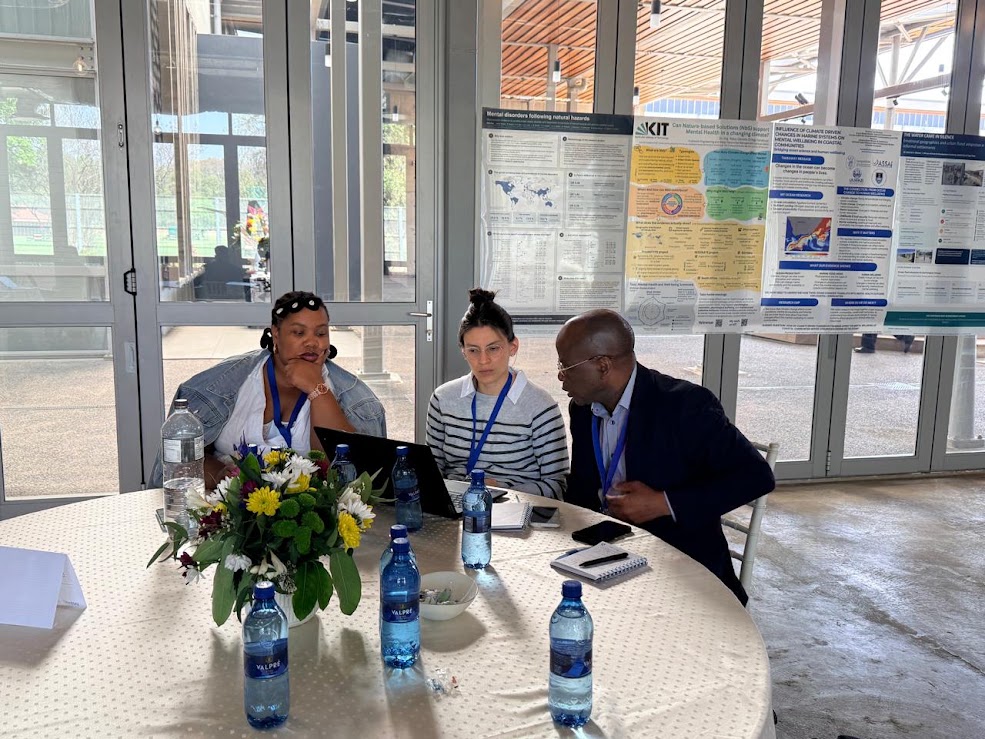
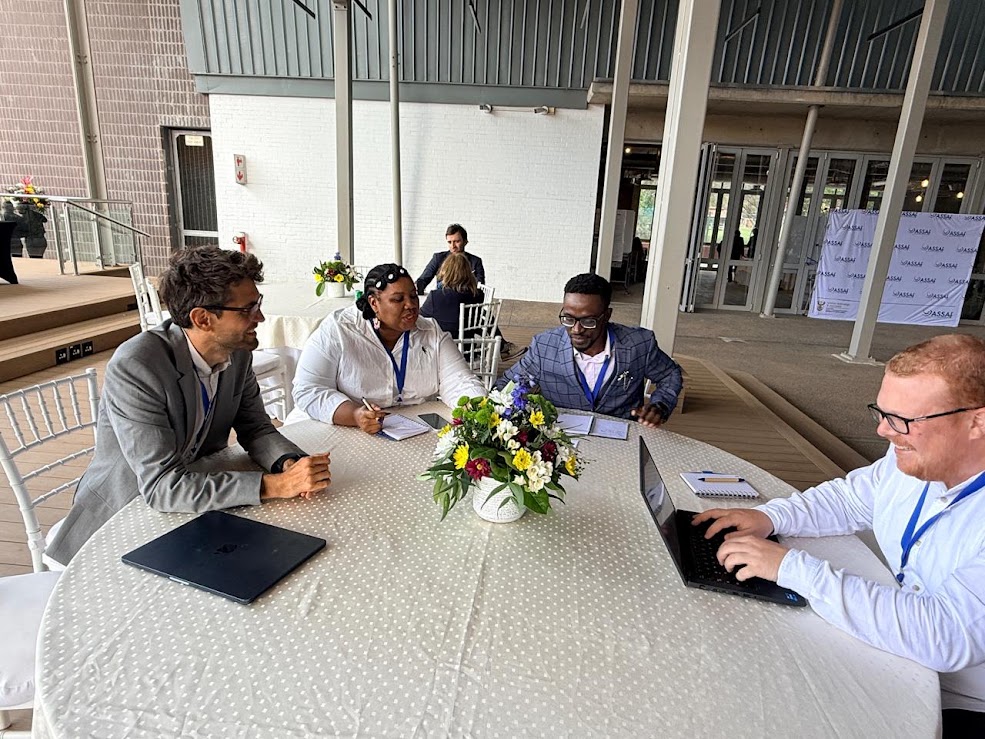
The workshop brought together a small, carefully selected group of delegates from South Africa and Germany, creating plenty of space for genuine conversation and connection. Some of the best exchanges happened outside the formal sessions over meals, between presentations and during our social activities. I also organised a soccer outing for the group to watch Mamelodi Sundowns take on Siwelele, with Sundowns taking the win. Between the science, new connections and shared experiences, the workshop was a wonderful reminder that collaboration is built not only through research, but through relationships.